


When investing in hardwood flooring, durability ranks among the most critical considerations. Choosing the right woods for flooring means selecting species that can withstand decades of foot traffic, furniture movement, and daily wear while maintaining their beauty. The good news? Several wood species can easily last 50 years or more with proper care, and some can even exceed 100 years.
Understanding what makes certain woods more durable than others helps you make an informed decision that aligns with your lifestyle, budget, and long-term home goals.
Understanding Wood Durability: The Janka Hardness Scale
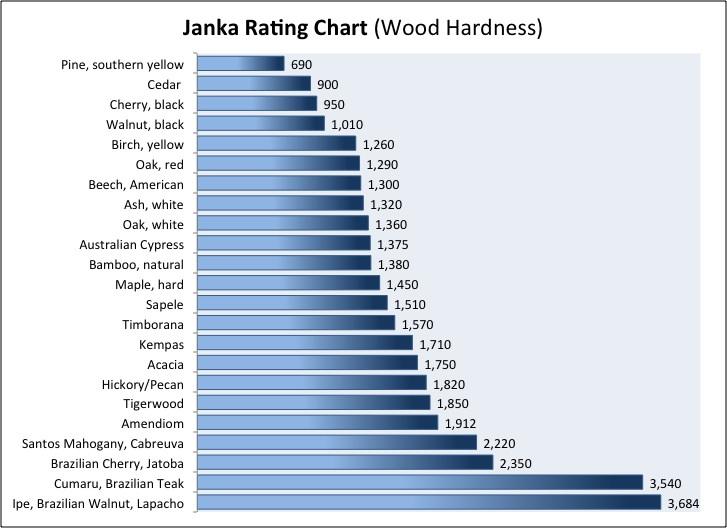
The flooring industry relies on the Janka Hardness Test to measure wood durability. This scientific method determines how resistant a wood species is to denting and wear by measuring the force required to embed a small steel ball halfway into the wood surface. The higher the Janka rating, the harder and more durable the wood.
Red Oak, with a Janka rating of 1,290, serves as the industry benchmark for comparing different wood species. This means any wood with a rating above 1,290 is harder than Red Oak, while anything below is softer and more prone to denting.
However, hardness alone doesn’t tell the complete story. Other factors contribute significantly to a floor’s longevity:
Finish quality: Modern finishes protect against moisture, scratches, and UV damage
Grain pattern: Tighter grain structures often indicate better stability
Moisture stability: How well the wood handles humidity fluctuations
Maintenance practices: Regular cleaning and refinishing extend lifespan dramatically
Domestic Woods for Flooring That Last Generations
Hickory: The Durability Champion
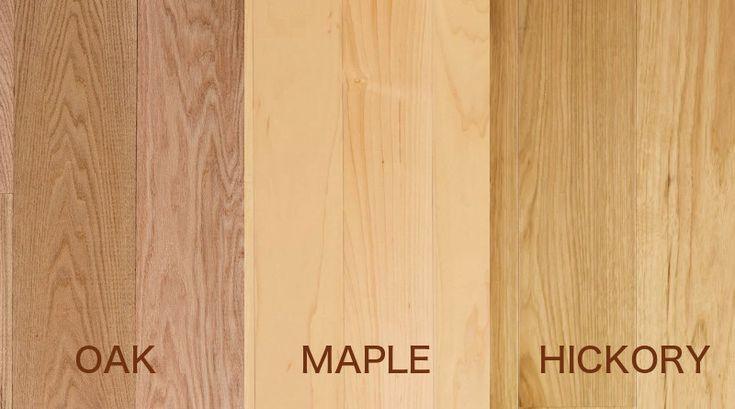
Hickory stands as the hardest commercially available domestic hardwood with an impressive Janka rating of 1,820. This makes it approximately 41% harder than Red Oak and perfectly suited for high-traffic areas.
Lifespan: 75-100+ years with proper maintenance
Key advantages:
Exceptional scratch and dent resistance
Handles heavy foot traffic from children and pets
Distinctive grain patterns add rustic character
Better value than exotic imports
Considerations:
Pronounced color variations may not suit minimalist designs
Density makes professional installation recommended
Slightly higher cost than Oak or Maple
Hickory’s extreme durability means floors in moderate-use environments can easily last 50-75 years, while well-maintained hickory in lower-traffic areas can surpass a century.
White Oak: The Perfect Balance
With a Janka rating of 1,360, White Oak offers an ideal combination of durability and workability. This species has become increasingly popular due to its attractive grain patterns and excellent dimensional stability.
Lifespan: 80-100 years
Key advantages:
Natural tannins provide superior moisture resistance
Suitable for kitchens and areas with occasional moisture exposure
Timeless aesthetic works with any design style
Can be refinished multiple times over its lifetime
White Oak’s natural moisture resistance makes it more stable than many alternatives, reducing the risk of warping or cupping in varying humidity conditions. This stability contributes directly to its exceptional longevity.
Hard Maple: Smooth and Strong
Hard Maple delivers excellent durability with a Janka rating of 1,450 while offering a more consistent, uniform appearance than Hickory.
Lifespan: 75-100 years
Key advantages:
Tight, non-porous grain resists moisture and spills
Light color brightens spaces
Popular for kitchens due to moisture resistance
Smooth grain shows less wear pattern over time
Considerations:
Light color may show dirt more readily
Requires regular cleaning to maintain appearance
Limited natural color variation
Hard Maple’s tight grain structure makes it naturally resistant to moisture penetration, which helps prevent the warping and cupping that can shorten floor lifespan.
Exotic Woods for Flooring: Maximum Longevity
For homeowners prioritizing ultimate durability above all else, exotic imported hardwoods offer unprecedented hardness ratings that can withstand extraordinary wear.
Brazilian Walnut (Ipe): The Ultimate Durability
Brazilian Walnut, also known as Ipe, ranks as one of the world’s hardest commercial flooring options with an astonishing Janka rating of 3,680—more than two-and-a-half times harder than Red Oak.
Lifespan: 100+ years
Key advantages:
Unmatched resistance to denting and scratching
Natural resistance to decay, insects, and fire
Rich color variations from chocolate brown to reddish tones
Ideal for the busiest households and commercial applications
Considerations:
Extreme hardness requires specialized installation tools
Difficult to cut, sand, and work with
Higher installation costs due to density
Premium price point
Proper acclimation essential to prevent movement
Ipe’s exceptional density creates floors capable of lasting well over a century, making it a true lifetime investment. Many Ipe decks and floors installed 50+ years ago remain in excellent condition today.
Brazilian Cherry: Stunning and Strong
Brazilian Cherry combines exceptional durability with striking aesthetic appeal, featuring a Janka rating of 2,350 and a rich reddish-brown color that deepens beautifully over time.
Lifespan: 75-100+ years
Key advantages:
Extraordinary wear resistance suitable for high-traffic areas
Color develops a rich patina with age
Distinctive appearance adds luxury and character
Dense grain provides natural stability
Considerations:
Significant color variation between boards
Darkens noticeably when exposed to light
Proper acclimation before installation crucial
Higher cost than domestic hardwoods
Brazilian Cherry’s extreme hardness means it resists the daily wear that gradually degrades softer woods, maintaining its appearance for decades with minimal refinishing needs.
Engineered vs. Solid Woods for Flooring Longevity
When discussing 50+ year lifespans, the distinction between solid and engineered hardwood matters significantly.
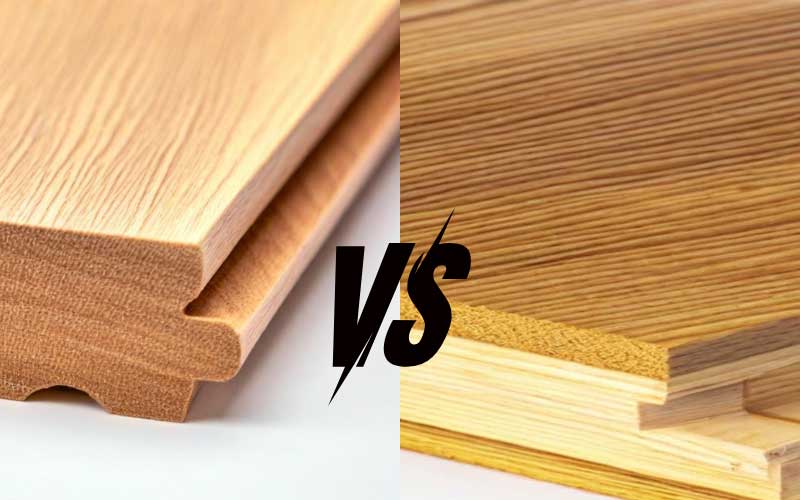
Solid hardwood consists entirely of solid wood from top to bottom and can last 75-100+ years. The major advantage is the ability to sand and refinish multiple times—often 5-10 times over the floor’s lifetime—allowing you to remove decades of wear and restore the original appearance.
Engineered hardwood features a real hardwood veneer bonded to a plywood core and typically lasts 20-50 years depending on the wear layer thickness. A thicker wear layer (4-6mm) allows for 1-2 refinishing cycles, while thinner layers may only permit light buffing.
For true 50+ year durability, solid hardwood from the species mentioned above provides the best long-term value, especially in residences where refinishing every 10-20 years is practical.
Factors That Extend Woods for Flooring Beyond 50 Years
Even the hardest wood species require proper care to achieve their maximum lifespan potential.
Installation Quality
Professional installation ensures proper acclimation, which prevents the warping and gaps that can dramatically shorten floor life. Hickory and exotic hardwoods especially benefit from expert installation due to their density.
Finish Protection
Modern aluminum oxide finishes offer exceptional durability with warranties ranging from 25-50 years. These finishes provide significantly better protection than traditional polyurethanes, creating a barrier against moisture, scratches, and UV damage.
Maintenance Practices
Regular maintenance directly impacts longevity:
Daily/weekly sweeping or vacuuming removes abrasive dirt particles
Prompt spill cleanup prevents moisture damage and staining
Protective pads under furniture prevent denting
Area rugs in high-traffic zones reduce wear
Refinishing every 10-20 years removes surface wear and restores protection
Environmental Control
Maintaining consistent indoor humidity levels (35-55%) prevents the expansion and contraction that causes gaps, cupping, and warping. This stability is especially critical for achieving 50+ year lifespans.
Strategic Species Selection
Match wood hardness to your specific needs:
High-traffic areas: Hickory, Brazilian Walnut, Brazilian Cherry
Moderate traffic: White Oak, Hard Maple
Low-traffic formal spaces: Red Oak, Walnut (though softer)
Cost Per Year: The True Value of Durable Woods for Flooring
While harder wood species command higher upfront costs, calculating cost-per-year reveals their true value.
Example calculation:
Hickory flooring: $8-12 per square foot installed
Lifespan: 80 years with proper care
Cost per year: $0.10-0.15 per square foot
Compare this to carpet ($3-8 per square foot) that lasts 8-15 years:
Cost per year: $0.20-1.00 per square foot
Durable hardwoods often prove more economical long-term while adding significant resale value. Homes with hardwood flooring typically see 70-80% cost recovery, with buyers often paying 2.5% more for homes with quality wood floors.
Making Your Decision: Which Durable Woods for Flooring Fit Your Needs?
Consider these key questions when selecting your flooring:
1. What’s your traffic level?
High traffic with pets/children: Hickory or Brazilian Walnut
Moderate residential traffic: White Oak or Hard Maple
Low traffic: Any species on this list will exceed 50 years
2. What’s your aesthetic preference?
Rustic, varied character: Hickory or Brazilian Cherry
Clean, consistent appearance: Hard Maple or White Oak
Rich, dark tones: Brazilian Walnut
3. What’s your budget reality?
Best value domestic option: White Oak
Premium domestic choice: Hickory
Investment-grade exotic: Brazilian Walnut or Brazilian Cherry
4. What’s your moisture situation?
Kitchens or humid climates: White Oak or Hard Maple
Standard climate control: Any species works
Basements or high moisture: Consider engineered options
5. Do you plan long-term ownership? If you’ll own your home for decades, investing in harder species pays dividends. If you anticipate selling within 10-15 years, mid-range species like White Oak offer excellent appeal without maximum cost.
The Refinishing Advantage: How It Extends Lifespan
One critical factor that enables 50+ year lifespans is the ability to refinish hardwood floors. Solid hardwood can typically be sanded down and refinished 5-10 times over its lifetime.
Typical refinishing schedule:
Years 0-10: Original finish
Years 10-20: First refinishing
Years 20-30: Second refinishing
Years 30-50: Third refinishing
Years 50-75: Fourth refinishing
Years 75-100: Fifth refinishing
Each refinishing essentially resets the floor’s appearance, removing decades of scratches, dents, and worn finish. This capability transforms a 30-year-old floor into one that looks brand new again.
Harder species like Hickory and Brazilian Walnut need refinishing less frequently due to their superior wear resistance, which means lower lifetime maintenance costs despite higher initial investment.
Final Thoughts on Selecting Durable Woods for Flooring
Achieving a 50+ year floor lifespan isn’t just about selecting the hardest wood—it’s about matching the right species to your specific circumstances and committing to proper maintenance throughout the decades.
Hickory leads among domestic options for pure durability, while White Oak offers the best balance of hardness, moisture resistance, and aesthetic versatility. For maximum longevity and willingness to invest, Brazilian Walnut stands unmatched.
Regardless of which species you choose, professional installation, quality finish application, and regular maintenance transform good flooring into generational flooring that can easily last 75-100 years. The hardwood floors you install today can serve your grandchildren tomorrow.
Ready to invest in flooring that will last for generations? Check out our wide range of hardwood flooring services or call us on (585) 235-3325 to discuss which durable wood species best fits your home’s needs and lifestyle. Our team has decades of experience installing and refinishing hardwood floors throughout Rochester, NY, and we’ll help you select the perfect wood to serve your family for 50+ years and beyond.


